 Back
Back What Is Animation in Video Games?
Process
Agnieszka Jania
02.06.2026
10 MINUTES


Animation in video games encompasses the intricate artistry of crafting dynamic visuals and sequences that breathe life into characters, objects, and environments. This creativity significantly enhances the overall gaming experience, blurring the boundary between the player and the game world. By creating fluid motion, animation in video games invites players to immerse themselves fully in the action, making video game animation a pivotal part of modern entertainment.
A key aspect lies in the ability to create lifelike characters that convey complex personalities and facial expressions effectively. By enabling players to forge emotional bonds with these figures, creators deepen investment in the game world and enrich the narrative woven within this interactive universe. Animators strive to produce sequences where users forget they are controlling a digital avatar.
To achieve fluid motion and realism, the game industry employs a variety of techniques:
- both 2D and 3D methods within the video games sector,
- frame-by-frame animation for precise control,
- motion capture technology that records real human movements, resulting in even more lifelike animations.
This evolution is essential for game development, positioning animation as a core element of interactive digital storytelling.
How Does Animation Influence Video Game Design?
Video game animation is a fundamental element in design, influencing everything from gameplay mechanics to player commitment. It serves as a vital form of communication, providing visual cues that allow players to interact effortlessly with the environment. Visually appealing movement ensures that the game's visuals are not just pretty, but functional.
In particularly exciting scenes, dynamic game animation injects vitality into combat. Players remain captivated by smooth and responsive movements; well-designed sequences enable them to predict the results of their character's actions during battles. This sense of impact adds to the excitement, especially in competitive scenarios where a split-second reaction determines victory.
Moreover, animation plays a significant role in the customization experience. This is particularly evident during character development and creation. Animated previews allow players to create and visualize changes in real-time, fostering a deeper connection with their in-game personas. Such involvement enhances the gameplay experience and motivates players to invest time in making characters unique.
Animation also elevates the environment, crafting rich worlds that pull players into imaginative landscapes. Elements like:
- gently flowing rivers,
- whispering leaves,
- bustling city streets,
- dynamic weather systems,
- interactive wildlife.
These details enhance storytelling, making the world feel dynamic and responsive.
How Does Character Animation Enhance Player Immersion?
Character animation plays a crucial role in enhancing player immersion by transforming lifeless figures into dynamic, relatable personalities. When characters exhibit movement—like walking, running, and displaying various emotions—players are more likely to forge a profound connection. Creating this emotional engagement is vital for investing in the characters' journeys.
One effective method in video game development is motion capture, which brings high realism to game animation. By meticulously recording human movements, designers create characters that feel more authentic. This lifelike quality fosters empathy, allowing players to connect with the player characters and their narratives.
Smooth and fluid actions are essential for how players engage with the game. When character movement is both responsive and seamless, actions resonate more powerfully. Moreover, exaggerated actions or visual effects can heighten the thrill of gameplay, keeping players fully engaged.
Overall, video game animation significantly boosts player immersion through:
- dynamic movements,
- attention to detail,
- smooth transitions,
- customizable options.
What Role Does Animation Play in Video Game Storytelling?
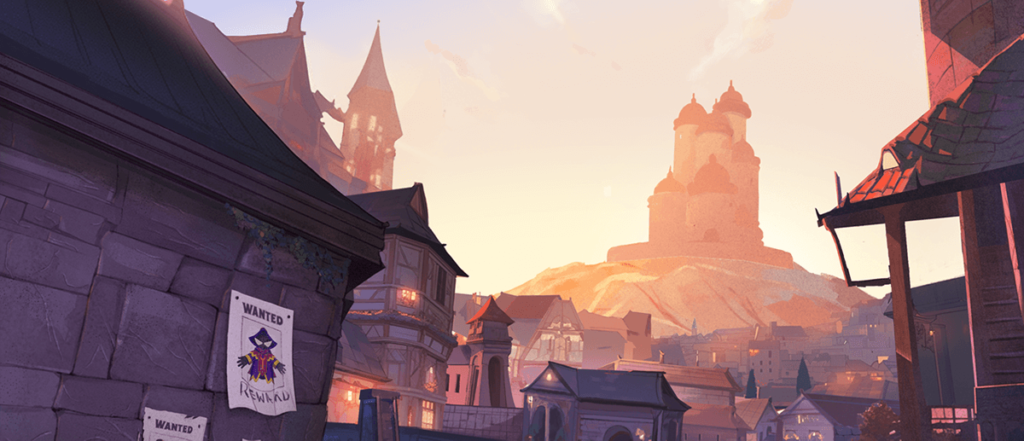
Animation in video games is essential to effective storytelling, breathing life into settings. By animating these elements, players forge emotional bonds that heighten their engagement. The combination of dynamic cinematics and vibrant movements propels the plot, helping to bring stories to life in immersive experiences.
Moreover, game animation enhances environmental storytelling significantly. Elements like trees swaying in the breeze or animated non-playable characters (NPCs) infuse the world with realism. These lively details draw players deeper into the storyline.
Animated characters also convey emotions and intentions with remarkable clarity. For instance, their facial expressions and body language serve as signals that guide players in understanding the narrative. This careful integration of animation in video storytelling fosters a deeper connection to character arcs.
Different Types of Video Game Animation
Video game animation encompasses various styles, each tailored to enrich the overall gaming experience. Among these are character, object, environmental, VFX, and UI animation.
At the heart of character animation lies the art of breathing life into game avatars. By capturing their movements, animators transform lifeless figures into relatable personalities. Players find themselves immersed in video games as they connect emotionally through realistic gestures.
Object animation takes center stage when bringing interactive features to life—things like weapons and vehicles. This style fosters meaningful interaction between players and their surroundings. With environmental animation, you’ll find elements like shifting weather patterns. These animated details contribute to immersive landscapes that capture players' attention.
Moving on to visual effects, this aspect focuses on elements like particle effects, sparks, and smoke. Particle effects and other VFX do more than just beautify; they provide crucial feedback, visually appealing interactions that make the user experience more visceral.
Lastly, animated UI pertains to the fluidity within menus. A thoughtfully animated interface makes it easier for players to navigate smoothly, helping to maintain their interest in the gameplay.
2D and 3D Animation Differences in Video Games?
2D animation in video games relies on vectors or sprites in a two-dimensional space. Techniques such as sprite animation and skeletal animation are common. A significant emphasis is placed on pixel art. Animating typically involves generating sequences frame-by-frame, evoking a nostalgic atmosphere.
In contrast, 3D animation introduces depth through the use of rigs and skeletons, resulting in smoother movements. This technique relies on 3D modeling and rigging, empowering game developers to create detailed characters and environments. Moreover, 3D game animation often utilizes motion capture, which translates real human actions into character movement, enhancing the lifelike quality of the game.
The Basic Principles of Animation Applied in Video Games
Key principles of animation include timing and spacing, easing (often called ‘slow in and slow out’), anticipation, follow-through, and squash and stretch.
These elements significantly enhance the quality of game animation, making the gameplay experience more captivating. High-quality animations depend on these rules.
Timing dictates the speed of movements. Effective timing ensures that character actions unfold at fitting intervals, which makes animations appear organic. Spacing refers to the distance between frames. Maintaining consistent spacing leads to smoother animations, keeping players immersed.
Easing is about how movements accelerate and decelerate. Incorporating easing into game animations creates a more lifelike motion. Anticipation prepares players for forthcoming actions. For example, if a character winds up, it signals that character actions like a punch are imminent.
Follow-through and Squash and Stretch contribute additional layers of realism. Squash and Stretch visually emphasize movements, like when a character jumps, amplifying the perception of weight. By applying these basic principles, animators produce superior results.
How Do Animators Create Movement in Video Games?
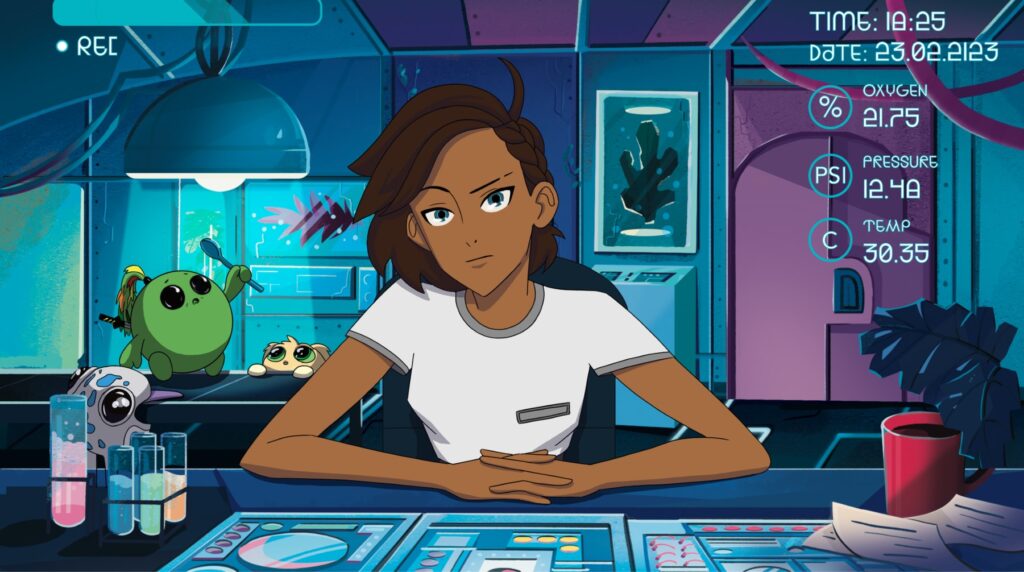
Animators play a vital part in bringing video games to life. To create movement, they use:
- keyframing,
- skeletal animation,
- procedural methods.
Keyframing is a method where animators manually define different poses for characters, followed by creating the in-between frames. This allows for meticulous control over character movement. The animation process here requires patience and precision.
Skeletal animation involves creating a digital skeleton. By manipulating this framework, animators create natural movements, making actions like running or jumping feel realistic. Procedural animation uses algorithms and physics-based rules to generate movements in real time, enabling characters to adjust seamlessly to the environment. This responsiveness significantly enhances video games.
Successfully blending these approaches requires artistic flair. Animators must have a solid grasp of anatomy to create accurate portrayals. In essence, animating movement in video games is a layered endeavor that brings forth vibrant characters.
What Animation Techniques Are Used in Video Games?
Animation techniques in video games encompass a variety of methods. Some of the key techniques include:
- sprite animation, which gives the illusion of movement in 2D games,
- frame-by-frame animation, crucial for ensuring smooth transitions,
- skeletal animation, simulating realistic movements to develop characters,
- motion capture, recording real actors to create digital characters with authentic nuances,
- procedural animation, which generates movements based on physics in real-time.
Together, these animation techniques elevate the depth of video game animation, enabling developers to create immersive experiences. Whether making characters via pixel art or 3D rigs, the goal is to create virtual worlds that draw players in.
Motion Capture in Video Game Animation
Motion capture, or mo-cap, is instrumental in creating video game animation that is lifelike. Its significance cannot be overstated. When an actor dons a suit, every action gets converted into digital data. Game developers harness this to create dynamic characters.
A crucial component is performance capture, which extends to facial expressions. These finer details allow characters to express a broader spectrum of emotions. Today's technologies facilitate the incorporation of data, allowing characters to react dynamically.
How Do Game Engines Handle Animation?
Game engines are integral to crafting lifelike animations. Platforms like Unity, Unreal Engine, and Godot offer the frameworks required. In game development, different approaches come into play, including frame-by-frame, skeletal, and procedural methods.
These frameworks harness hardware acceleration to enhance performance during real-time rendering. This ensures that the game's animation flows seamlessly. Effective resource management is equally important. The software optimizes data formats to minimize memory consumption. Furthermore, blending techniques provide smooth transitions, crucial for animating realistic motions.
Challenges of Animation in Video Games
Animation in video games presents challenges for animators who must balance realism with technical limitations. One significant hurdle in the game industry is managing the budget to ensure every element contributes to the experience.
Performance optimization is vital. When frame rates drop, animation playback can become jerky and less responsive. In mobile games, resource management is key due to hardware constraints. Animators must use strategies like leveraging hardware acceleration.
How Is Animation Optimized for Mobile Games?
Optimizing game animations in mobile games is about striking a balance between visual effects and smooth performance. Utilizing sprite sheets and specific data formats helps streamline loading times.
Harnessing hardware acceleration via the GPU can improve both the visual quality and performance stability of animations in mobile games. Developers of mobile games often focus on prioritizing purely crucial animations and simplifying less significant visual effects. Adhering to best practices ensures a smooth gaming experience on any device.
What Software Is Used for Video Game Animation?
Animation in video games relies on specialized animation software and various tools. Prominent programs include:
- Autodesk Maya, known for robust 3D modeling used to create intricate characters,
- Blender, offering tools for both 2D and 3D animators,
- Adobe Creative Suite tools such as Adobe Animate and After Effects, which excel at 2D animation and motion design,
- Toon Boom Harmony, a leading animation software for traditional 2D,
- Houdini, respected for complex particle effects and simulations.
How Do Animators Balance Realism and Stylization in Video Games?
Animators merge realism with stylization to suit the game development vision. The choices regarding realistic animations versus exaggerated ones shape engagement. Naturalistic 3D animation uses motion capture for immersion, while stylized animation leans on artistic expression to develop characters.
Striking the balance depends on the plot and genre. These decisions determine the quality of video game animation, contributing to a cohesive aesthetic that strengthens the connection to making characters.
What Is the Future of Animation in Video Games?
The landscape of animation in video games is brimming with endless possibilities. From the simple movements of early arcade games to the complex open worlds of series like Grand Theft Auto, the game industry continues to evolve. Advancements in real-time rendering and procedural techniques are set to refine how we create and experience games.
Real-time rendering will allow for intricate game animations across platforms. Advanced procedural generation enables characters to adapt on the fly, deepening immersion. Furthermore, technologies like virtual reality and augmented reality are pushing boundaries, requiring animators to create new methods of interaction.
As designers venture into new narrative techniques, animating will remain instrumental to an engaging experience. For those looking to join this exciting field, mastering these skills offers a rewarding career in creating video game animations that captivate the world.
Client Relations Specialist in Pigeon Studio - animation production company

Enter your email address: