 Back
Back Animation vs. Live Action: Which Video Style Is Best for Your Story?
Marketing tips
Pigeon Studio
09.01.2026
6 MINUTES


You have a great idea, a new product, or a story that needs to be told. The script is brewing in your head, and you can already see the results. But there is one major hurdle standing between you and your final video. You have to decide how to bring it to life. Do you book a studio and hire real actors for a live-action video, or do you turn to a team of animators to draw it from scratch? This is the classic debate of animation vs. live action.
Both mediums are powerful. Both can make an audience laugh, cry, or click "buy." However, they achieve these results in completely different ways. As a studio that lives and breathes motion, we know that this choice isn't just about personal taste. It is about matching the medium to your message. We are here to help you navigate this decision without the fluff. We will break down the costs, the production, and the unique strengths of both animation and live action so you can make an informed choice for your next project.
What Is Animation?
Animation is the art of creating motion from static images. It is a technique where the illusion of movement is crafted frame by frame to tell a story.
At its core, animation is about total control. It is a medium where the laws of physics do not apply unless the narrative demands it. In an animated video, viewers can be transported to the surface of Mars, shrunk down to the size of a molecule, or shown the inner workings of a cloud server without the need for a physical camera.
This medium covers a massive range of artistic styles, including traditional 2D hand-drawn frames, sleek motion graphics, and high-end 3D worlds. The defining characteristic of animation is creative freedom. Everything is built from scratch. Every character, every background, and every prop is designed specifically for the project. There are no bad weather days on an animation set. If it can be imagined, it can be animated.
What Is Live Action?
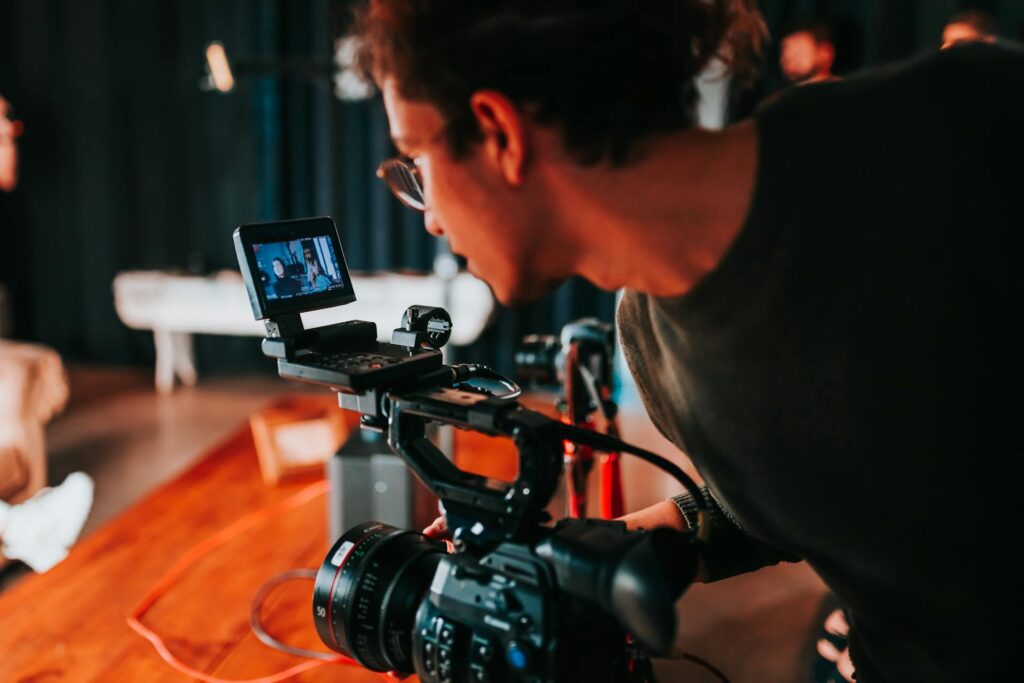
Live action is the process of filming the real world. It involves cameras, lights, and real people interacting in physical spaces.
Live-action video is the language of reality. It captures the nuances of human expression that are incredibly difficult to replicate digitally. When you watch a live-action video, you are seeing real life. You see the subtle twitch of an eye, the genuine texture of a product, and the natural light of a specific location.
This style relies heavily on cinematography and performance. It is about capturing the moment rather than building it pixel by pixel. Live-action projects excel at showing things as they are. If your goal is to showcase a tangible product, tour a facility, or record a heartfelt testimonial, live action provides an immediate sense of authenticity. It grounds your message in our shared reality.
What Are the Key Differences Between Animation and Live Action?
The difference between these two goes deeper than just "cartoons vs. movies." They are fundamentally different tools for communication. To choose the right one, you need to understand how they function under the hood. We will compare live action vs. animation across the several factors that matter most to your business: story, time, money, and impact.
Storytelling and Emotional Impact
Animation and live action trigger different emotional responses in viewers.
Live-action video creates an immediate human connection. It uses real actors to convey emotions like empathy, trust, and vulnerability through body language and micro-expressions. If your story relies on a testimonial or a serious, grounded narrative, live action is often the superior choice. It mirrors the viewer’s reality.
Animation, however, excels at abstract ideas and humor. It enables the use of visual metaphors to explain complex concepts that would otherwise be boring or impossible to film. Animated films can tackle sensitive topics without being heavy-handed, using characters that act as universal avatars rather than specific individuals. This allows a broader target audience to project themselves into the story.
Production Process and Time
The production process for animation is methodical, while live action is logistical.
Animation production is a marathon. It involves scripting, storyboarding, illustration, voice-overs, and then the slow, detailed work of animating. It creates the world out of nothing. This makes the animation process predictable but often time-consuming. Changes are easy to make in the early stages (like the storyboard), but become a bit more difficult once the final animation begins.
Live-action productions are sprints. The pre-production phase involves location scouting, casting crew members, and organizing logistics. The actual filming might only take a few days. However, you are at the mercy of the real world. Weather, lighting, and actor availability can dictate the schedule. Once the footage is shot, you cannot change the scene or the performance without a costly reshoot.
Budget and Cost-Effectiveness
There is a myth that animation is cheap and live action is expensive. The truth is that costs vary widely based on scope, for both.
Live action budgets are driven by logistics. You pay for actors, a full crew, equipment rentals, travel, physical sets, and insurance. A simple interview might be affordable, but high-end live-action projects with visual effects and physical sets burn through budgets quickly.
Animation budgets are driven by labor and complexity. You don't pay for locations or catering, but you pay for the specialized skills and time of animators and designers. A simple 2D motion graphic is cost-effective, while a complex 3D project with fantastical creatures rivals the budget of live-action movies. However, animated video often offers better long-term value because it is easier to update later.
Audience and Platform Fit
Your target audience dictates the medium.
Live-action video dominates platforms where authenticity is key. Think about LinkedIn feeds, corporate "About Us" pages, or recruitment videos. Viewers here often want to see who they are doing business with. It builds trust through transparency.
Animation is the king of engagement on social media and landing pages. Animated video content stands out in a feed full of camera footage. It is perfect for a global audience because text and voiceovers can easily be swapped for different languages. If you are targeting a tech-savvy crowd, the gaming community, or explaining a SaaS product, animation fits naturally. It is also increasingly popular for adults, proving that good animation is not just for kids.
Post-Production
Post-production is where the two paths diverge significantly.
In live action, post-production focuses on editing existing footage, color grading, and sound effects. Scenes can be cut and the flow rearranged, but a bad performance or a poorly lit set cannot be fixed without expensive visual effects or practical effects.
In animation projects, post-production is essentially the production. It involves compositing layers, adding special effects, and syncing sound. The major advantage here is flexibility. If you need to change a logo or update a statistic a year later, the project file can be opened and edited. In live-action film, that same change might require actors and crew back for a full day of filming.
Comparison of Animation and Live Action
We have compiled a quick comparison to help you visualize the trade-offs.
| Feature | Animation | Live Action |
|---|---|---|
| Creative Freedom | Unlimited. Real and fantastical elements. | Limited by real life physics and available locations. |
| Revisions | Flexible during pre-production; updates are easier long-term. | Difficult after filming. Reshoots are often required. |
| Emotional Impact | Great for humor, abstraction, and universal appeal. | Superior for empathy, trust, and human connection. |
| Cost Drivers | Complexity of style, length, and number of characters. | Size of crew members, actors, locations, and equipment. |
| Timeline | Consistent and predictable, but often longer to produce. | Fast filming phase, but heavy planning and logistics. |
| Best For | Explainer videos, abstract concepts, tech products, game trailers, commercials. | Testimonials, physical products, company culture. |
When to Choose Live Action vs. Animation?
The decision ultimately comes down to your project's goals.
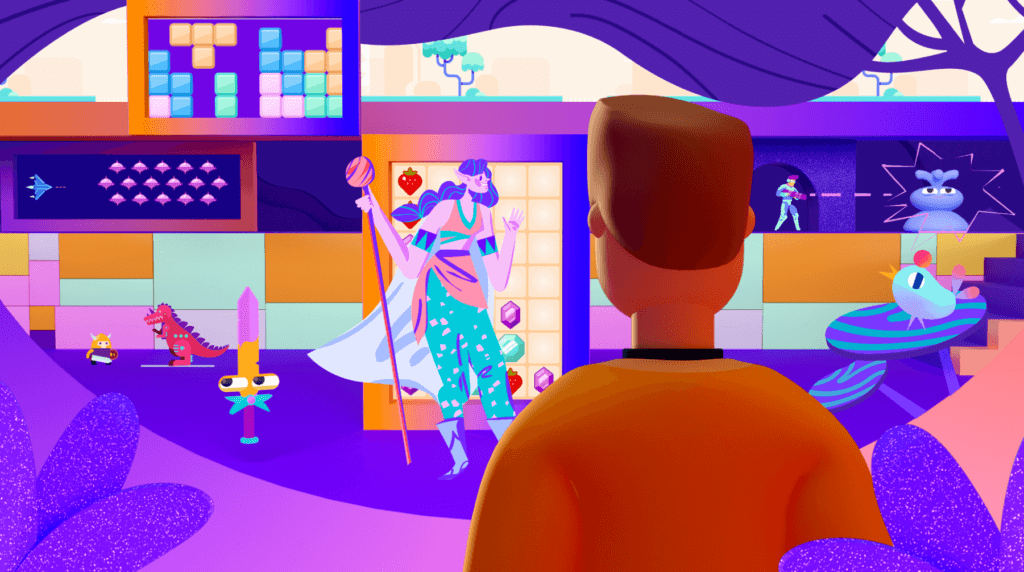
You should choose animation if your product is intangible. Tech companies, software providers, and finance firms often struggle to film their "product." Animation makes the invisible visible. It is also the right choice if you need to simplify a complicated topic. Use animation to strip away distractions and focus the viewer's eye exactly where it needs to be. If your brand voice is playful, colorful, or relies on a specific aesthetic that doesn't exist in the real world, animation is your best friend.
On the other hand, you should choose live action if trust is your primary metric. If you are selling a service that relies on personal relationships, showing real people matters. A law firm, a medical practice, or a charity often benefits from the raw honesty of live-action video footage. It is also the practical choice for physical products that depend on texture, taste, or fit, such as clothing and food. When the "truth" of the appearance is the selling point, a camera is better than a brush.
For those in the corporate world, using strategic video for business is essential, and often the specific department dictates the style. HR might need live action for culture, while marketing needs animation for conversion.
How Do Animation and Live Action Coexist?
You don't always have to pick a side. Some of the most effective videos today combine live action and animation into a hybrid format.
For example, a real actor can be filmed holding a phone, utilizing animated graphics to show the app interface popping out of the screen. Standard interviews can be enhanced by overlaying animated charts and data points to reinforce the speaker's message. This technique, often called "mixed media," offers the best of both animation and live action. It captures the human connection of live-action video alongside the clarity and branding power of animation.
This approach allows live-action projects to explain complex concepts without losing the human touch. It also helps animation feel more grounded. By overlaying digital visuals onto real life footage, we create a dynamic visual style that keeps viewers engaged. It is a powerful way to elevate corporate video content beyond the standard "talking head."Whether you choose the boundless creativity of animation or the authentic grit of live action, the most important thing is the story you tell. If you need help crafting that story, or if you are ready to start explainer video production, Pigeon Studio is here to make it move.
Through motion, we translate brands, products, and ideas into captivating and impactful content.

Enter your email address: