 Back
Back 2D Animation Styles & Examples
News and others
Agnieszka Jania
03.05.2026
10 MINUTES


Great 2D animation does more than just fill a screen; it turns abstract ideas into stories that actually stick. With so many 2D animation styles to choose from, the challenge isn’t just picking something that looks cool, but finding the visual language that resonates with your specific target audience. In this article, we break down the most popular animation techniques, from traditional animation to sleek motion animation, providing several 2D animation examples to help you find the perfect visual language for your project's goals.
What Is 2D Animation?
2D animation is the art of bringing static images to life within a flat, two-dimensional space. It works by playing a sequence of drawings, each slightly different from the previous one, in rapid succession. When these frames flash by at a rate of 12 to 24 per second, the human brain no longer sees separate pictures, but rather fluid, continuous motion. This technical animation process feels like a magic trick, turning a blank screen into a moving narrative.
This medium has evolved from hand-drawn style sketches on paper to sophisticated computer animation and software-driven motion. Despite this technological shift, the core goal of 2D animation remains unchanged: using movement to tell a story. Since 2D animation isn't bound by the laws of physics, it offers total creative freedom. This animation technique can be minimalist and sleek for a corporate presentation or vibrant and expressive for a brand commercial. This versatility makes 2D animation a popular choice for everything from educational content to promotional videos.
Ultimately, 2D animation transforms abstract concepts into visual, digestible content. It provides a way to communicate personality and emotion through animated characters without the logistical constraints of a live-action film set. By focusing on style and timing, this medium ensures that the message resonates clearly by stripping away distractions and focusing on what really matters—the story being told.
What Are the Main Types of 2D Animation Styles?
The main types of 2D animation styles range from classic hand-drawn techniques to modern, scalable vector graphics and digital cut-outs. Although there are endless creative possibilities, the main styles are typically defined by their construction. Each style offers a unique visual aesthetic and technical advantage for the story you need to tell.
Traditional Hand-Drawn Animation
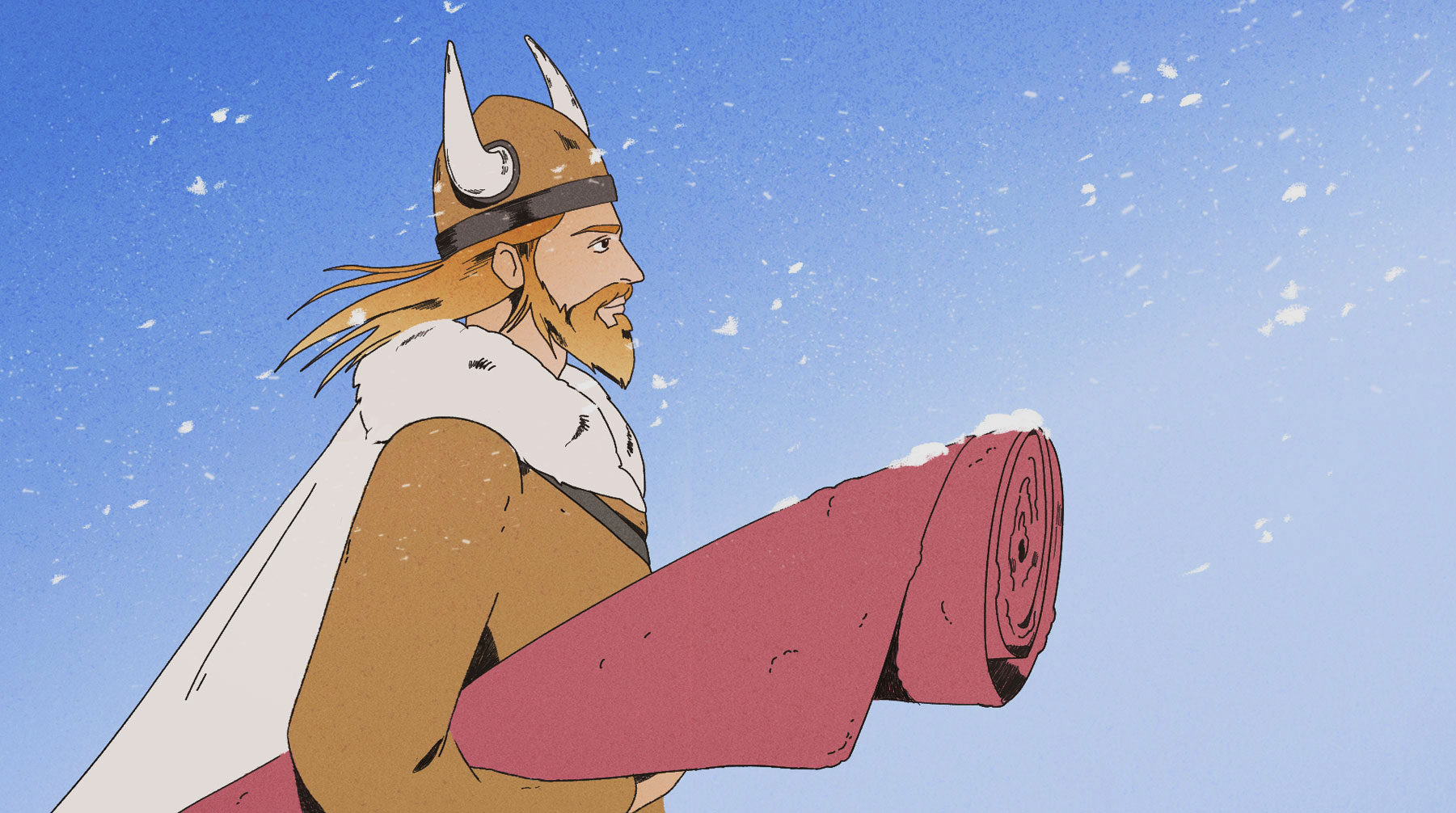
Traditional animation, or cel animation, is a captivating art form that involves creating animations by meticulously drawing individual frames. This intricate process results in fluid visuals that tell emotionally resonant stories in many animated films. Renowned Disney classics beautifully illustrate this animation technique, demonstrating how it can infuse life into animated characters.
One standout aspect of traditional animation techniques is its striking character design. Artists invest their creativity in crafting distinct personalities, making each frame feel like a unique work of art. Furthermore, elaborately designed backgrounds contribute to the narrative by adding richness to the 2D animation universe. Even in an era where digital animation methods have gained prominence, the hand-drawn style continues to hold significant sway.
Anime Style Animation
Anime represents a captivating form of animation style that hails from Japan. It's distinguished by its vivid character designs and intricate storytelling, blending hand-drawn animation artistry with cutting-edge digital tools. This fusion allows creative directors to convey a vast spectrum of emotions.
One of the most striking aspects of anime is its character design. The characters often feature exaggerated facial expressions, making them unforgettable and relatable for fans. The narratives explored in anime are incredibly diverse, often influencing other animated films globally.
Rotoscope Animation
Rotoscope animation is a fascinating technique in which animators meticulously trace over live-action footage, working frame by frame. This meticulous approach captures the nuances of realistic movements, allowing artists to merge real-life actions with their unique creative styles. The outcome is a rotoscope animation that possesses a strikingly lifelike quality.
This hybrid method proves especially beneficial when it comes to achieving fluid motion animation, something that can often pose challenges for traditional hand-drawn animation. Many filmmakers turn to this animation technique to elevate their storytelling, essentially turning real-world footage into art.
Vector Animation and Motion Graphics
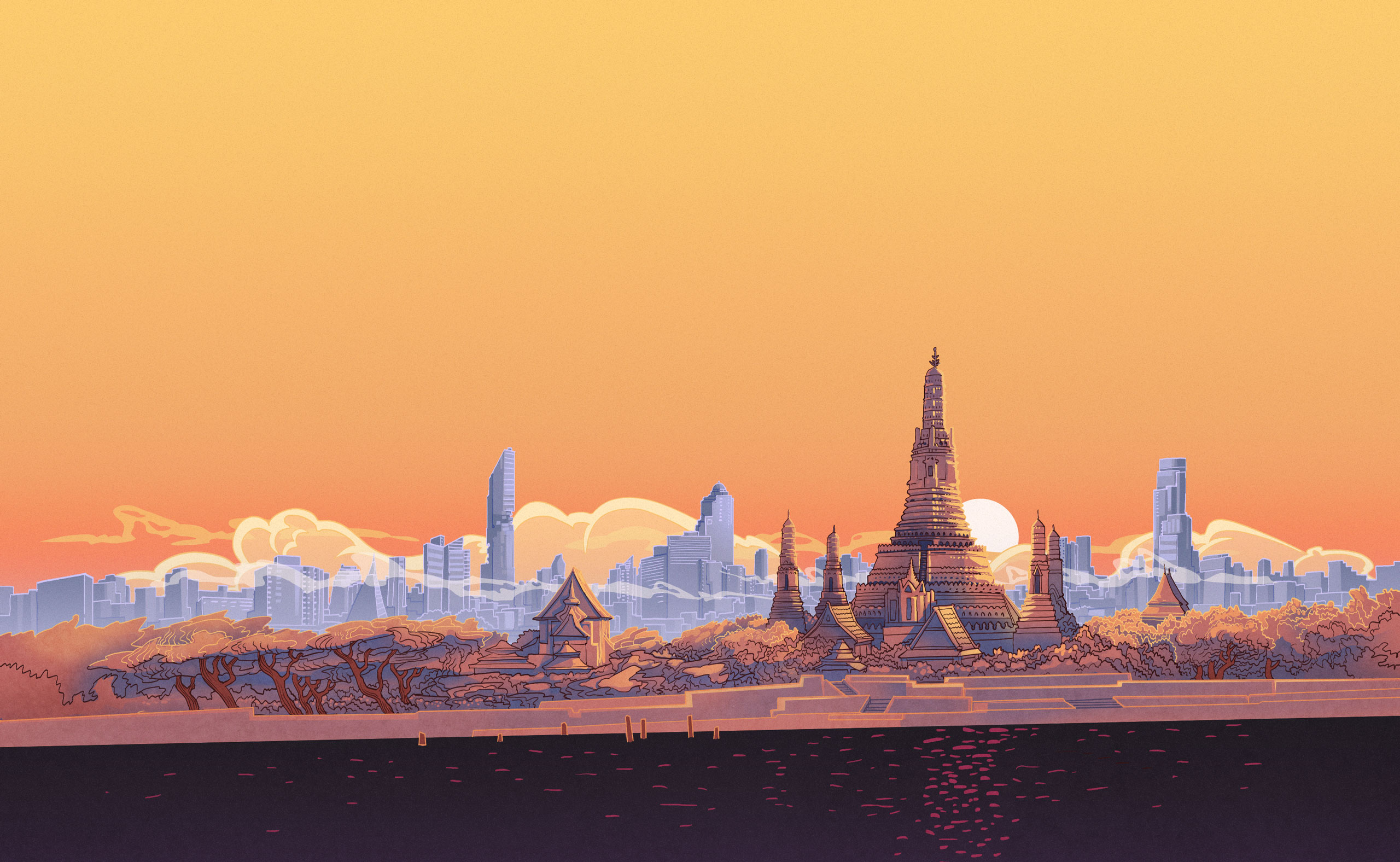
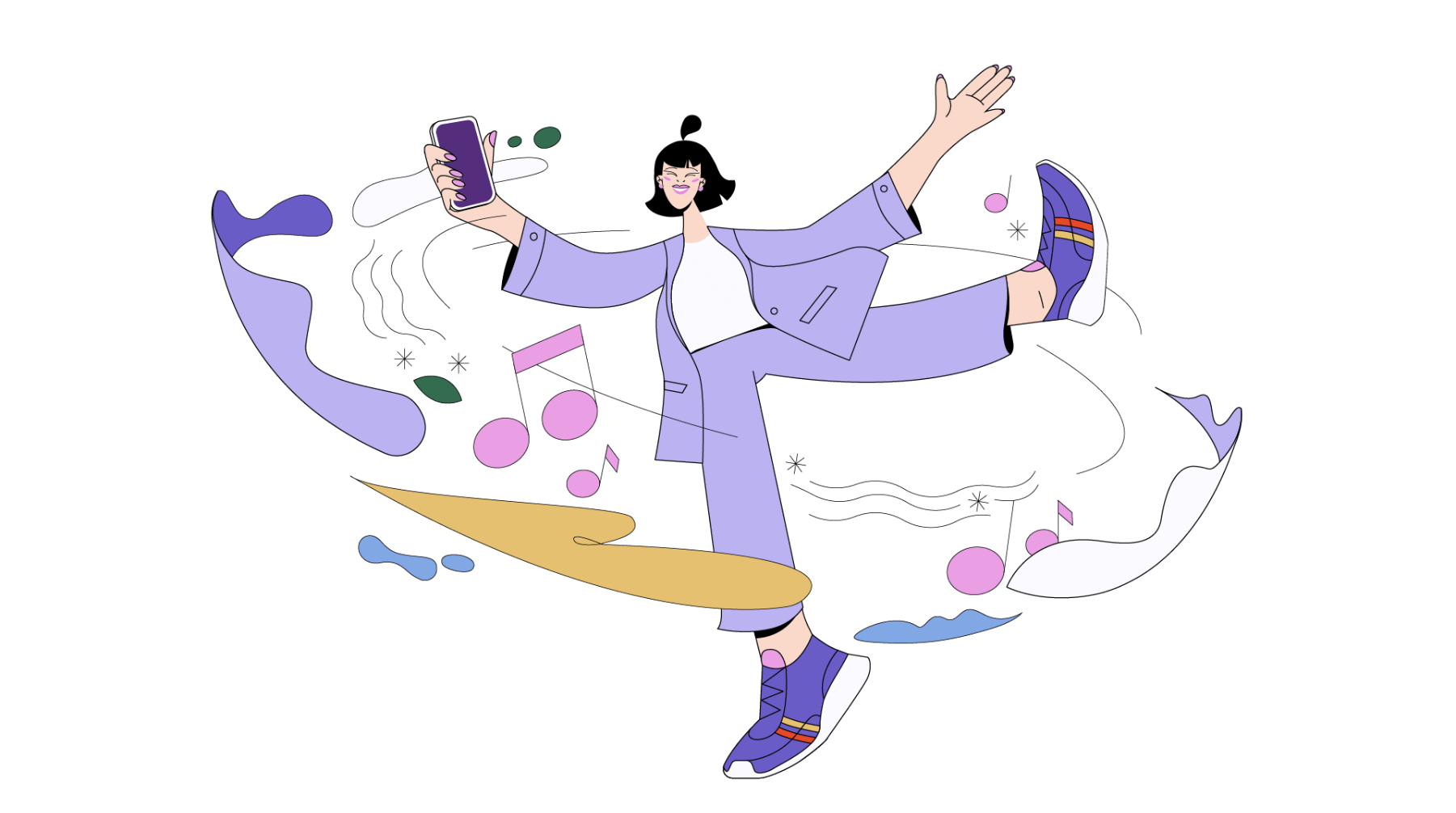
Vector 2D animation harnesses the power of scalable vector graphics to produce sleek, contemporary visuals that seamlessly adjust to various formats. This method often incorporates rigs and puppets to create characters, enabling fluid and dynamic movements while preserving sharpness. Hence, vector 2D animation serves as an excellent choice for creating high-quality video marketing assets and a cohesive video marketing campaign.
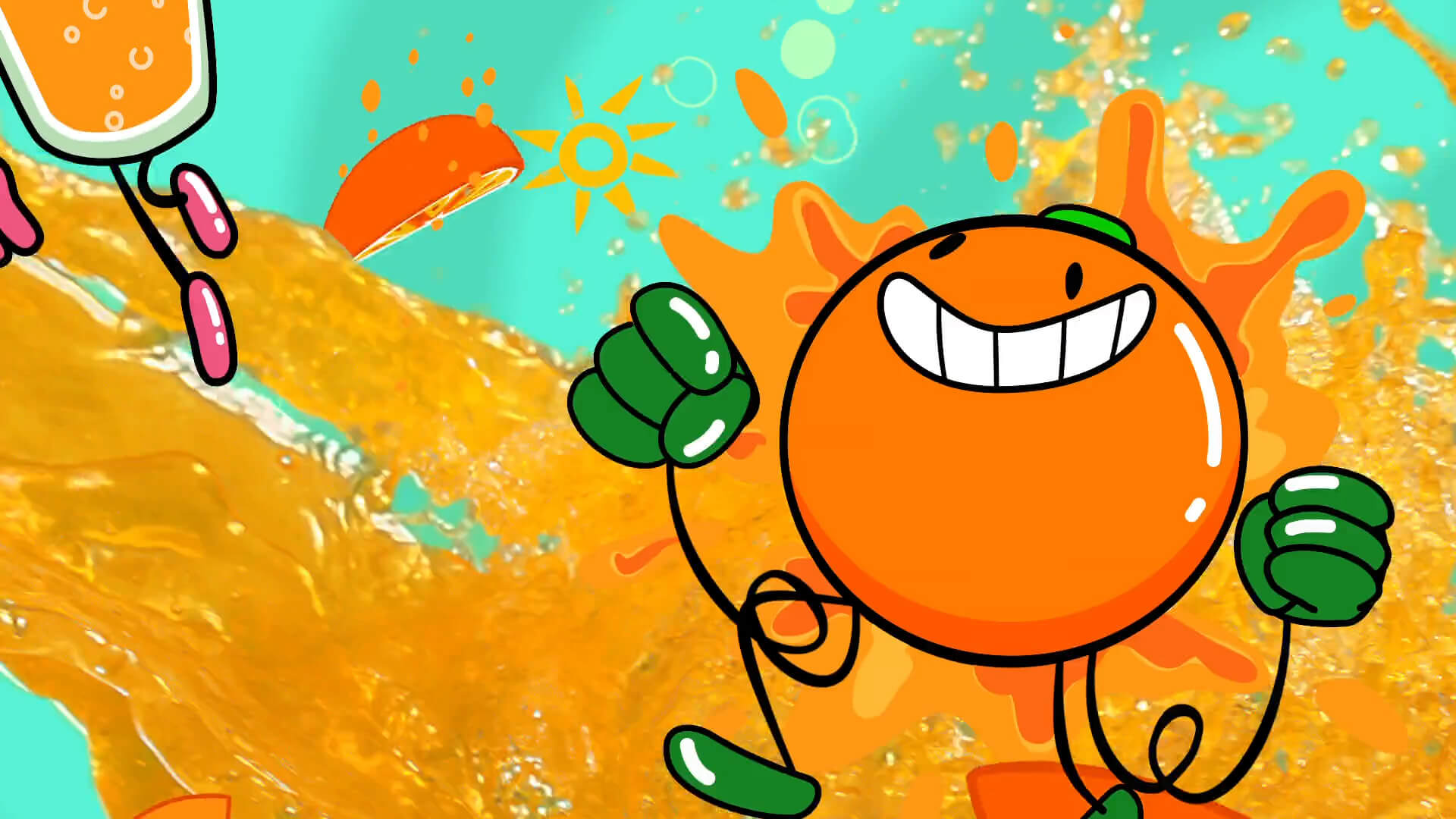
Conversely, motion graphics concentrate on bringing graphic design elements—such as shapes, text, and icons—to life. This effectively conveys ideas and captivates viewers through motion design. A popular instance of this is kinetic typography, where text is animated to amplify messages.
When vector animation and motion graphics are united, they transform into robust tools for visual storytelling. This combination streamlines the animation process and opens up a vast array of different animation styles that can be tailored to meet the specific needs of a project. Whether you're focused on:
- corporate presentations,
- app animations,
- vibrant advertising campaigns,
- promotional videos,
- brand storytelling.
These techniques are instrumental in crafting meaningful narratives. At Pigeon Studio, an experienced animation studio, we thrive on bringing these concepts into reality. Our projects showcase the incredible potential of vector animation and motion design.
Digital Cut-Out Animation
Digital cut-out animation offers a distinctive approach that utilizes pre-illustrated character elements, mimicking the art of puppetry. This method, popularized by shows like South Park, not only infuses 2D animation with a whimsical charm but also accelerates the workflow compared to conventional cut-out animation techniques.
Its adaptability makes this animation style an excellent fit for various platforms. It's particularly effective in:
- creating explainer videos,
- engaging educational content,
- striking advertisements,
- fostering captivating narratives,
- allowing budget-friendly production.
A standout characteristic of digital cut-out animation is its ability to animate flat images, producing the semblance of three-dimensional motion. This attractive quality captivates viewers while also shortening 2D animation production timelines.
Whiteboard Animation
Whiteboard animation presents a vibrant and dynamic way to convey ideas, where sketches appear to be created in real-time on screen. This engaging animation technique is especially effective for crafting explainer videos, educational content, and step-by-step tutorials.
Combining visuals with voiceover narration simplifies even the most complex concepts, making them more accessible to audiences. The unique hand-drawn style of whiteboard animation not only draws viewers in but also helps the information stick.
Typography Animation
Typography animation is a fascinating way to breathe life into text, frequently appearing in promotional videos, ads, and motion design. This creative animation technique enhances brands by transforming ordinary on-screen text into eye-catching animated elements that draw in viewers and emphasize essential ideas.
One popular form of typography animation is known as kinetic typography. This style focuses on the lively movement of text, allowing it to convey rhythm and emotion through animating typography. By utilizing this approach, audiences can connect with feelings that mere words might struggle to express, thus making it an influential element in motion graphics.
Isometric Animation
Isometric animation brings a stunning three-dimensional feel to the flatness of two-dimensional designs. This artistic approach simplifies complex concepts, making them more accessible and easier to grasp. It's particularly effective in explainer videos, as well as in mechanical animation and gaming, offering a refreshing perspective.
With this technique, structured systems and workflows can be illustrated in an engaging way. By merging flat illustrations with dynamic 3D elements, isometric animation enhances storytelling. It enables the creation of a precise mechanical animation video where technical accuracy is required.
Pixel Art Animation
Pixel art animation is a unique artistic style that embodies the charm of vintage video games through its distinctive blocky graphics. This retro animation technique utilizes pixelated images to create a captivating visual experience. It's particularly loved by indie game developers and frequently appears in media influenced by retro animation culture.
At the heart of pixel art animation is its intentional simplicity; the limited resolution and color choices evoke a sense of warmth and fond memories. Each frame becomes a thoughtfully designed piece of art that manages to convey emotion within the constraints of pixelation.
Shape Animation
Shape animation brings geometric designs to life, infusing them with motion animation and color while shifting their size and position. This is heavily reliant on shape layer keyframing. This vibrant animation technique is incredibly versatile, finding a home in logo creation, introductory sequences, and innovative branding.
This compelling way to illustrate abstract narratives allows artists to effectively use shape layer keyframing to communicate intricate ideas. It's particularly powerful in motion design, where striking visuals enhance marketing campaigns.
Hybrid Animation
Hybrid animation, or mixed-media animation, represents the convergence of different worlds. 2D animation is a captivating art form, but when combined with 3D animation or live footage, it becomes even more dynamic. This process encompasses everything from cel animation overlays to state-of-the-art digital animation practices. Its vibrant style finds application in films, video games, advertising, and storytelling videos, making it a compelling medium that truly resonates with audiences. For those seeking even more immersion, some projects now integrate augmented reality animation or virtual reality components.
What Advantages Do 2D Animation Styles Offer?
2D animation offers a unique blend of creative freedom and practical efficiency that works for everyone from lean startups to global brands. It provides a way to communicate complex ideas with a human touch, all while being significantly faster and more cost-effective to produce than 3D animation or labor-intensive stop-motion techniques.
- #1 Production Efficiency: Compared to 3D animation or traditional stop-motion animation, 2D animation moves fast with lower overall production costs. It requires fewer technical resources, smaller teams, and quicker iterations, making it the go-to choice for brands that need high-quality content without massive timelines or budgets.
- #2 Limitless Aesthetic Flexibility: This medium isn't tied to the rules of physics, allowing for imaginative transitions and visual metaphors that feel fresh and engaging. From clean vector graphics to a grungy animation look, the style can be tailored to fit your brand's unique style perfectly.
- #3 Clarity for Complex Ideas: 2D animation excels at stripping away distractions to help the target audience focus on the core message. It is particularly effective for explainer videos, where visualizing an abstract process makes it feel intuitive and easy to digest.
- #4 Stronger Emotional Resonance: There is a certain human warmth in 2D animation that builds an immediate connection with viewers. Whether it’s through a relatable character or a specific color palette, it’s a medium designed to spark a genuine reaction—no magnifying glass required to see the impact.
- #5 Accessible and Easy to Scale: 2D animation workflows are easier to adopt than complex 3D animation pipelines, with approachable digital tools and lighter technical demands. This makes it simple to roll out a consistent visual language across campaigns, platforms, and future content updates without rebuilding everything from scratch.
- #6 Memorable Brand Identity: A distinctive animation style can become a visual shorthand for your brand. By repeating the same animation elements (characters, shapes, and color language) across campaigns, you make your content instantly recognisable and strengthen long-term brand recall.
How to Choose the Right 2D Animation Style for Your Project?
Choosing the right 2d animation styles starts with matching your core business goal—whether it's building trust, explaining a feature, or sparking joy—to a visual language that speaks your audience's dialect. The most effective style isn't just the one that looks the best, but the one that removes the friction between your message and the viewer's understanding.
While it’s tempting to follow the latest design trends, a strategic choice focuses on the "vibe" and the technical needs of your project. Screencast animation might work for a quick demo, but a brand story needs more depth. Here is how to navigate those choices:
- #1 Define your objective and audience. If you are breaking down a complex software update for busy professionals, clarity is king. If you’re launching a brand story for a Gen Z audience, you might lean into something more expressive, like a grungy animation look or high-energy liquid animation.
- #2 Select a style that matches your brand’s personality. Consistency is what builds brand recall. A minimalist tech company usually thrives with clean vector animation, while a brand that wants to feel "human" or "organic" might opt for the warmth of cel animation or textured cut-out animation.
- #3 Align the style with your production reality. Some styles take longer than others. If you need a high volume of content quickly, digital cut-out animation or motion graphics offer great scalability. If you’re creating a "hero" piece for a major campaign, the extra time invested in hand-drawn animation can provide a premium feel.
- #4 Consider the complexity of the message. For educational content, whiteboard animation or isometric animation are powerhouses for simplifying the abstract. They act as a visual shorthand that helps the viewer focus on the "how" without getting lost in the "wow".
- #5 Trust the experts (or your gut). Sometimes, the best way to choose is to see what works. Take a look at different animation styles—if a specific aesthetic makes your message feel "right," you’ve likely found your winner. Partnering with a specialized animation studio, like Pigeon Studio, helps bridge the gap between a rough idea and a polished 2D animation that fits your project like a glove.
Selecting a style typically involves balancing your budget, deadline, and the emotional impact you want the video to have. To illustrate these trade-offs, we’ve broken down the most common 2D approaches we use.
| Style | Best For... | Effort / Cost | Typical Timeline* |
|---|---|---|---|
| Motion Graphics | Tech explainers, data visualization, and sleek brand promos. | Moderate – High value without needing custom character rigs. | 5-8 weeks |
| Vector-Based | Most corporate explainers. It’s clean, scalable, and easy to update later. | Budget-friendly – Efficient workflows keep costs down. | 5-8 weeks |
| Hand-Drawn (Cel) | "Hero" brand films or stories that need to feel artistic and unique. | Premium – Every frame is a custom illustration. It’s a labor of love. | 10-12+ weeks |
| Whiteboard | Educational content and training where the message is more important than the "wow" factor. | Entry-level – Simple and fast, but very effective for learning. | 4-5 weeks |
| Digital Cut-out | Social media ads or long-form series where you need to move fast. | Efficient – We build a "puppet" once and move it around to save time. | 6-8 weeks |
| Hybrid | High-end commercials where you want the "soul" of 2D mixed with 3D depth. | High – Requires two sets of skills (2D and 3D) working in sync. | 10-12 weeks |
Ready to Bring Your Ideas to Life?
Choosing a 2D animation style can feel like looking at a massive restaurant menu when you’re hungry. Everything looks good, but you’re not sure what you want. Whether you have a fully fleshed-out script or just a "vibe" scribbled on a napkin, you don't have to figure it out alone.At Pigeon Studio, we're here to help you navigate colors, frame rates, and storytelling techniques to find what works best for your brand. We don't do "one size fits all"; we do "this is exactly what we needed." Drop us a line, and let's talk about your project!
Client Relations Specialist in Pigeon Studio - animation production company

Enter your email address: