 Back
Back Motion Graphics Examples to Inspire Your Brand Strategy
Marketing tips
Agnieszka Jania
04.15.2026
6 MINUTES


Static images are fine for museum walls, but they rarely stop a busy thumb. We’ve seen brilliant brand messages get ignored because they were standing perfectly still. Motion graphics change the game by creating a pulse for your brand.
We’ve rounded up standout motion graphics examples to showcase how motion transforms communication. From a snappy logo animation to an explainer video that simplifies complex ideas, these projects prove visuals should do the heavy lifting. Watch and see how these creative ideas actually work to engage the viewer.
Motion Graphics Examples
#1 Vinted - The Flower Dress
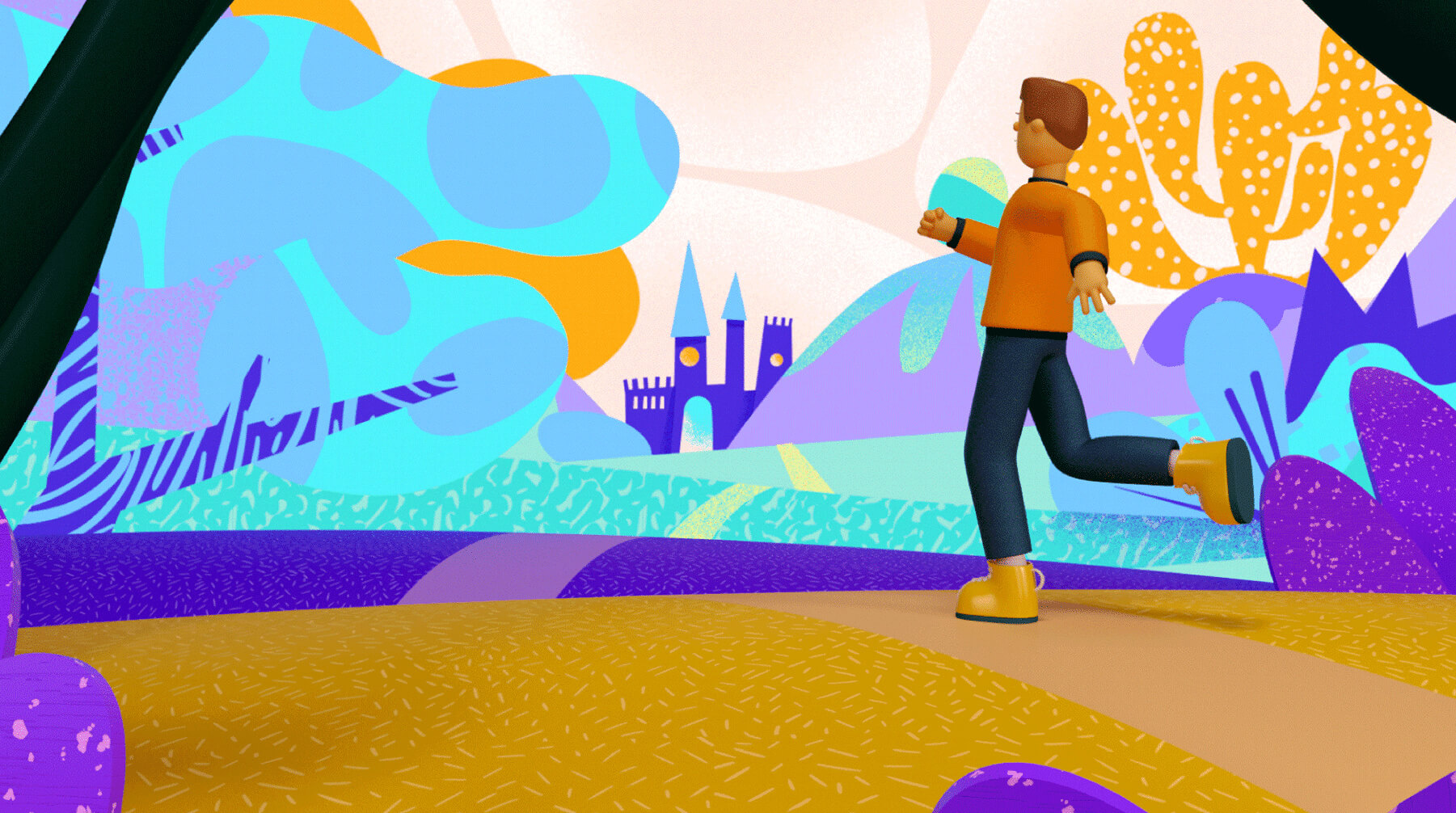
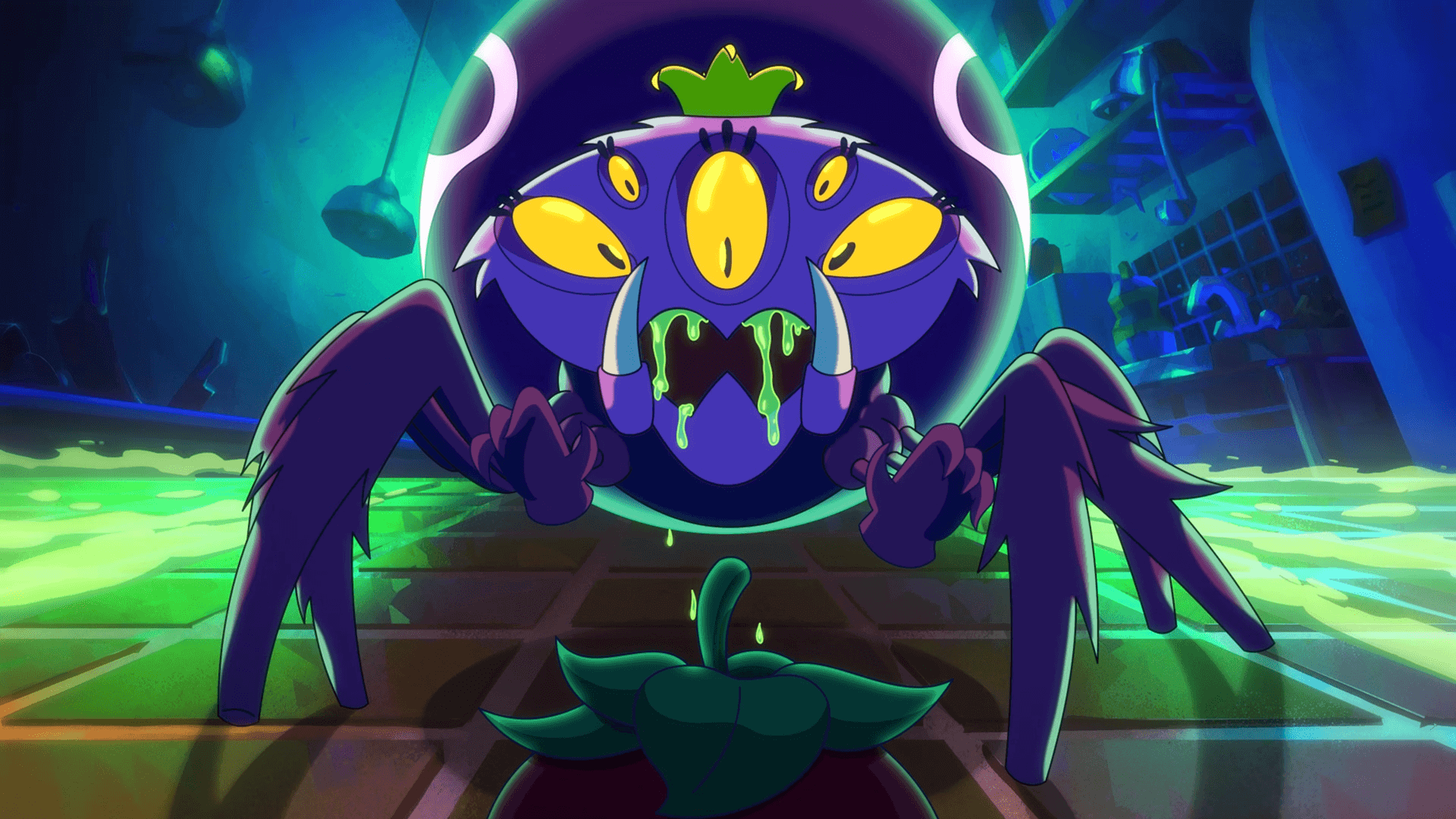
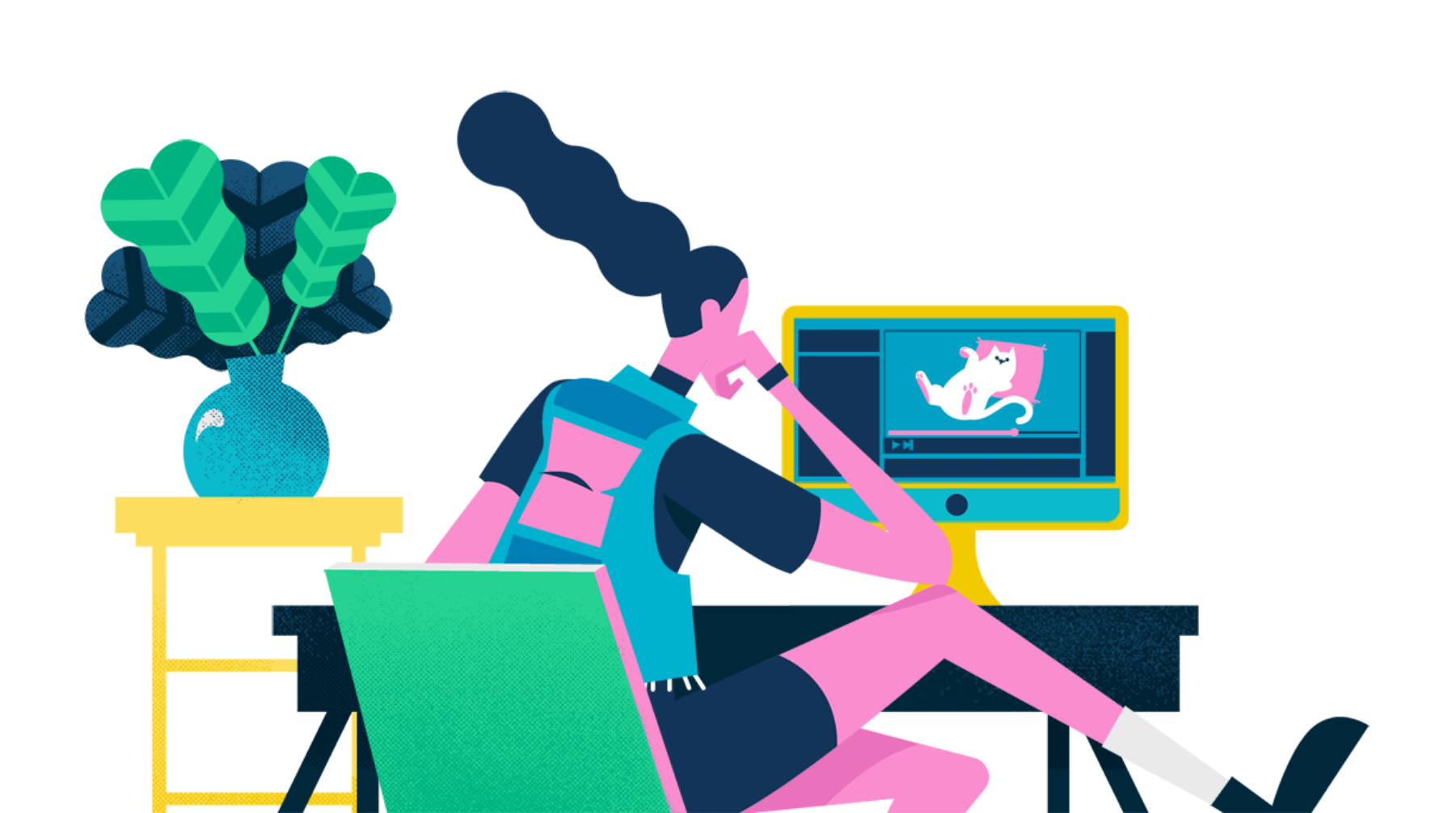
The Vinted "Flower Dress" project is a 2D animated video that showcases a sustainable lifestyle. This motion graphics example uses colorful animation to illustrate how a single dress travels between different users. The animation features smooth transitions and simple characters to create a friendly brand tone.
Pigeon Studio created this short animation to explain the circular economy without a long runtime. The engaging visuals help the viewer connect with the story of the main character. This great example of motion design uses graphics to communicate a clear message.
#2 Burger King Rebranding
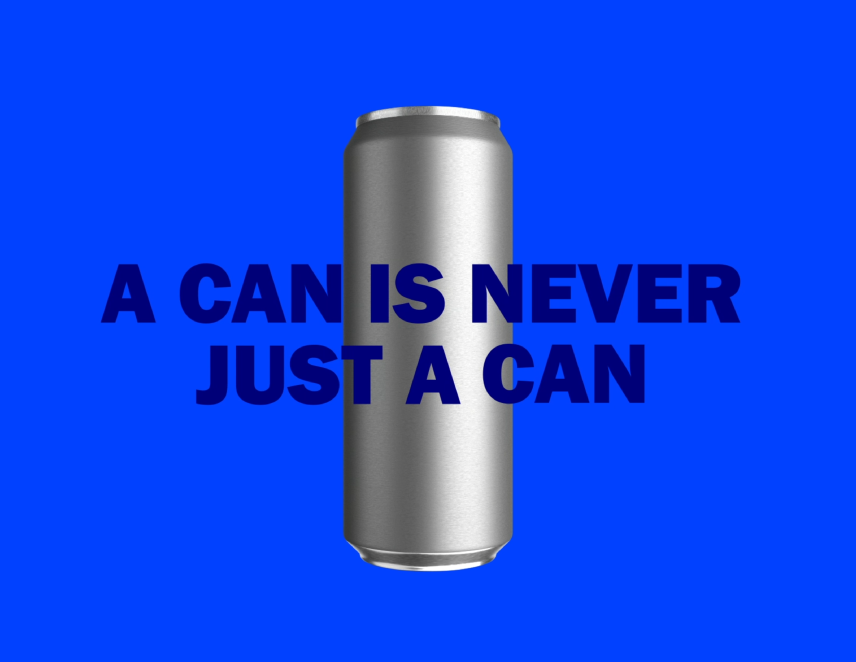
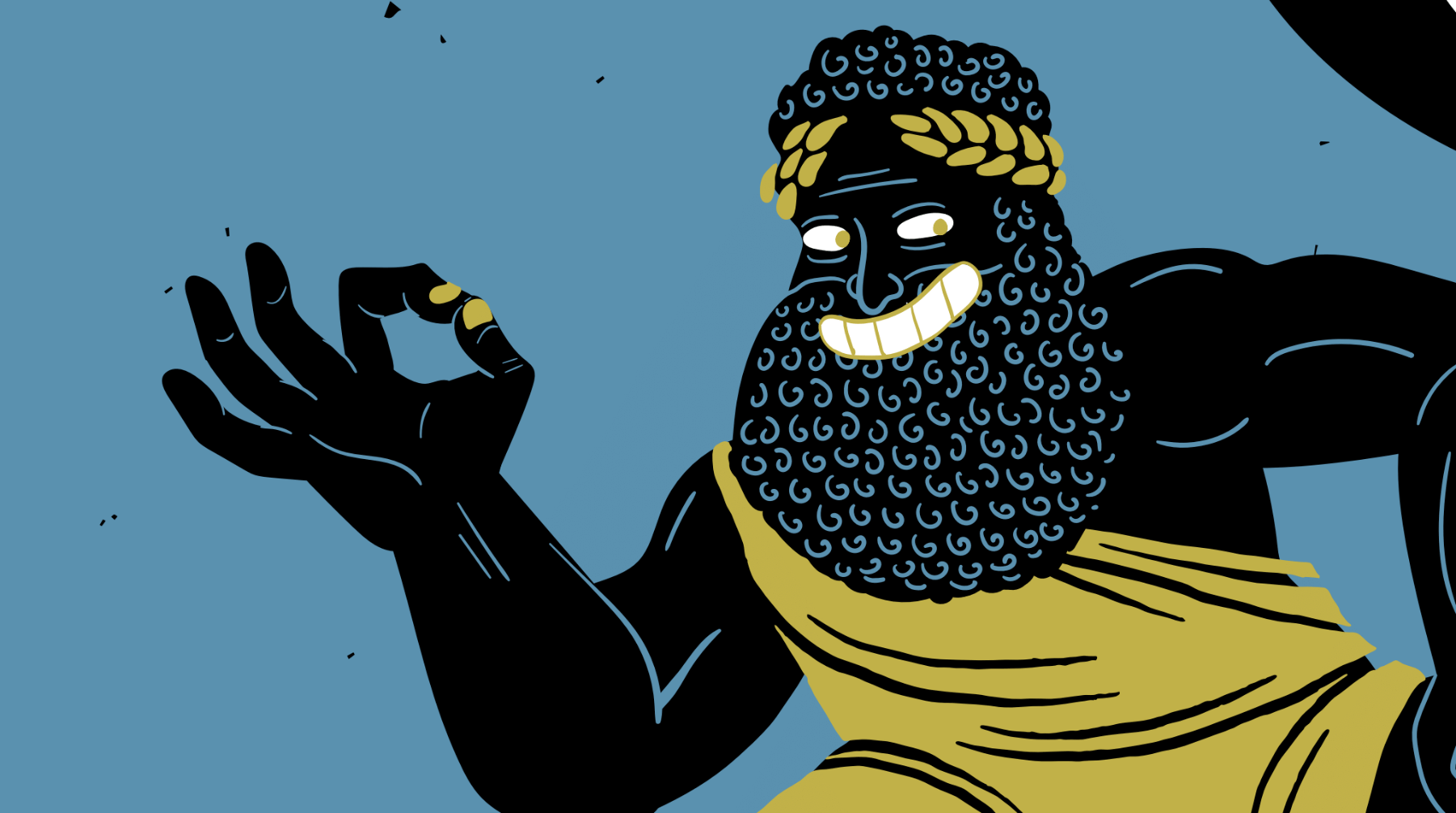
The Burger King rebrand video is a perfect example of how motion graphics refresh a brand identity. It uses kinetic typography and bold graphics to introduce a retro aesthetic. The motion focuses on juicy, organic shapes that mimic food.
Dynamic transitions and animated text keep the viewer engaged throughout this rebrand video. This motion graphics design uses upbeat music to showcase the new fonts and logo. It is just what a modern marketing campaign requires to stand out on a screen. Watch this video to see creative brand visuals come to life.
#3 Comarch Cloud Factoring
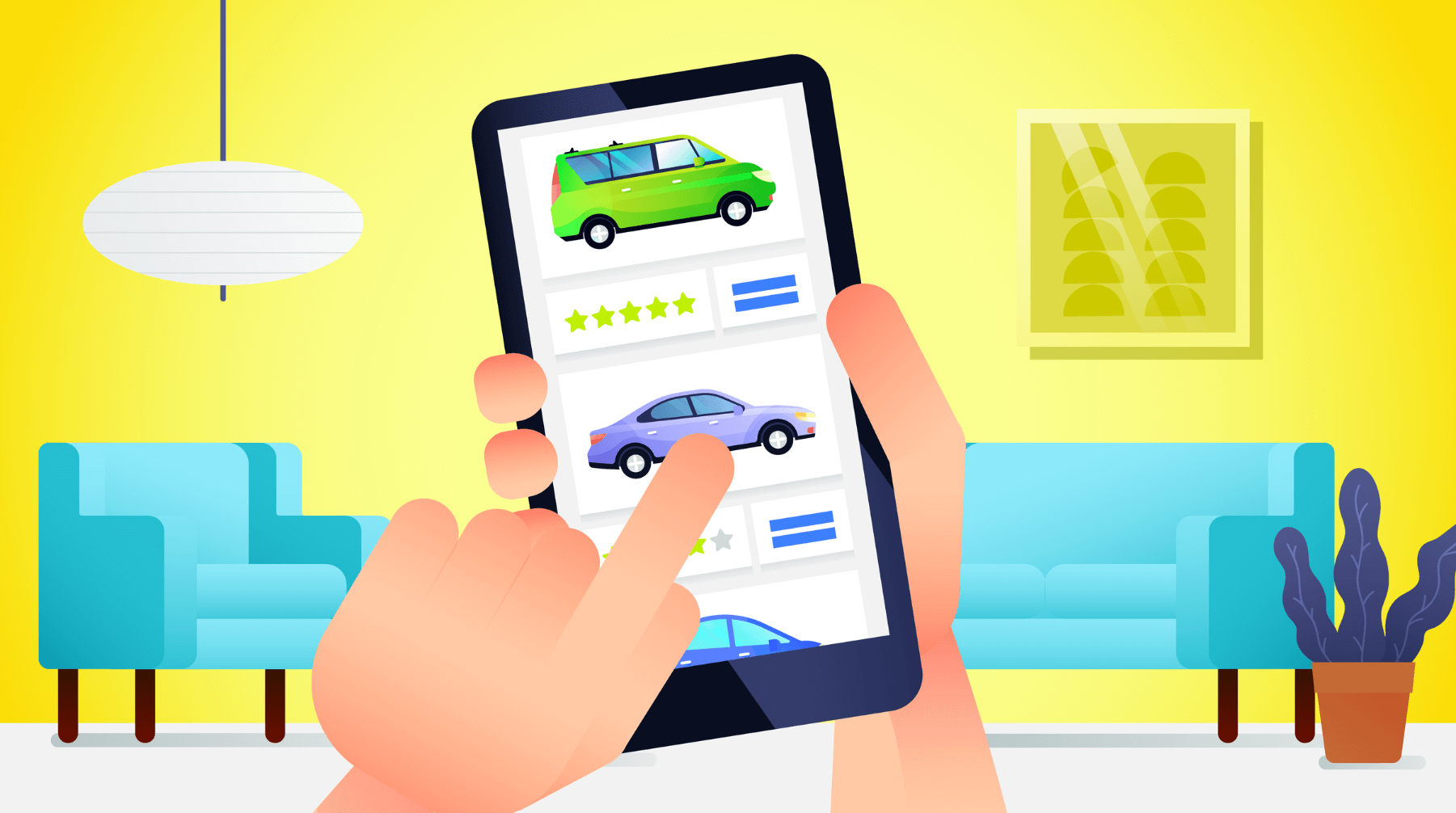
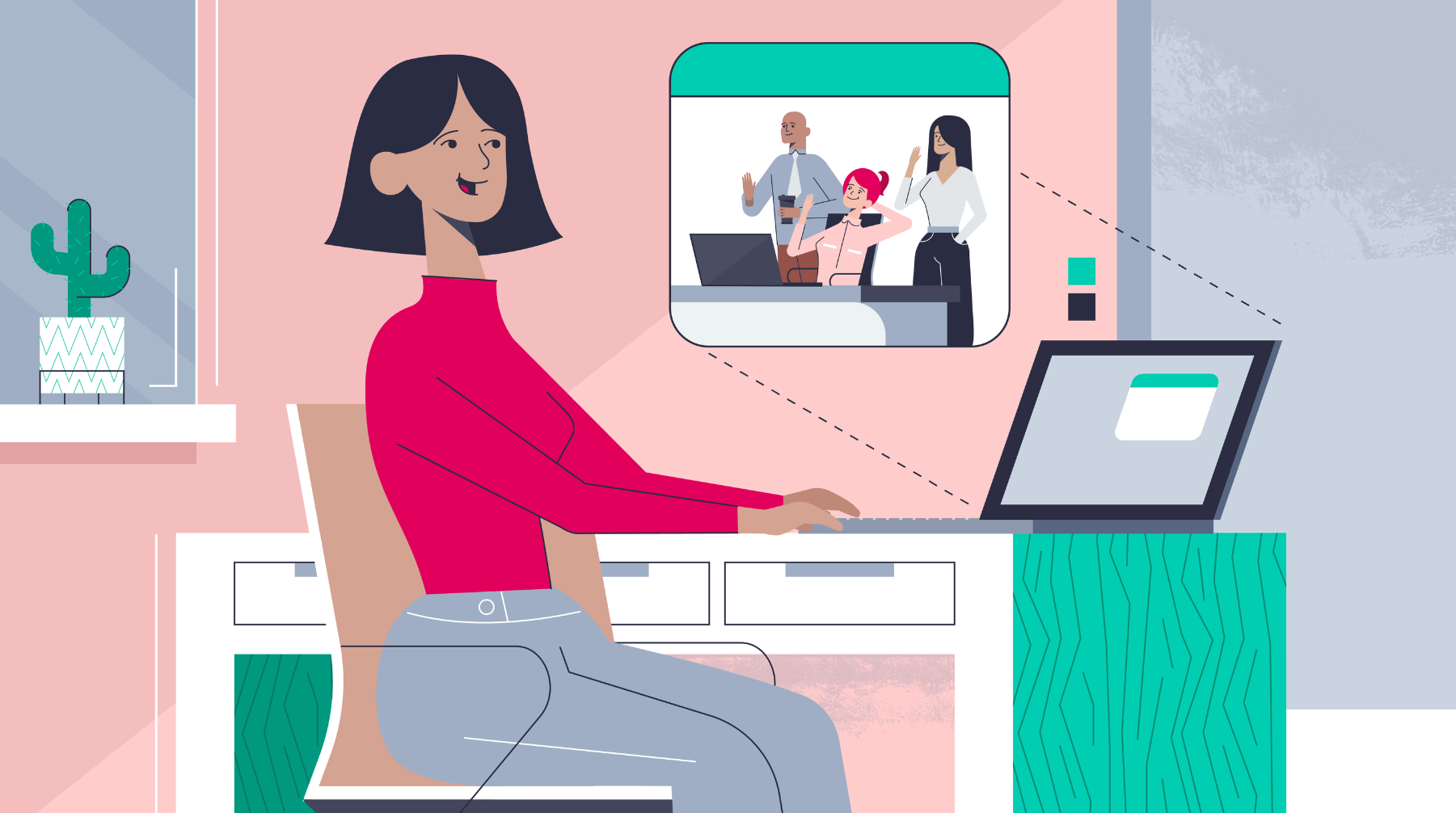
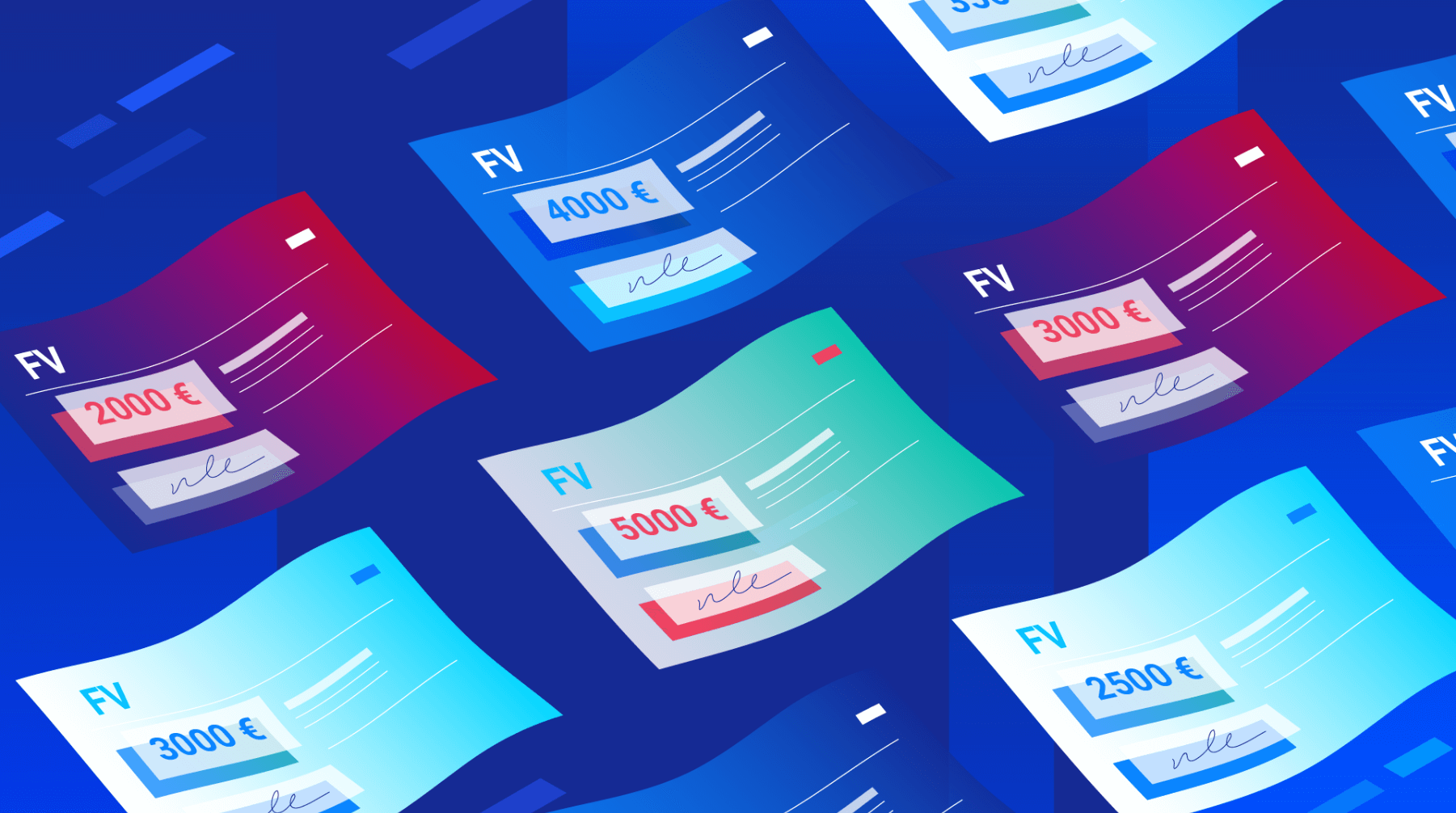
The Comarch Cloud Factoring explainer video simplifies complex ideas for the SaaS industry using clever motion designs. This animation by Pigeon Studio uses smooth transitions to explain financial services and demonstrate how data moves through the cloud.
Using a clean style and text overlays, this motion graphics video efficiently delivers key information while helping viewers quickly grasp abstract concepts. The project demonstrates that a high-end aesthetic is achievable through strategic creative planning, utilizing innovative transitions and imagery to enhance the explainer video format.
#4 Netflix Logo Animation
The Netflix logo is a famous motion graphics example that uses depth to command attention. It creates a 3D effect through vertical lines that expand toward the viewer. This animation represents the vast spectrum of stories available on the platform. It appears on the screen before every video to build instant brand recognition. The sequence lasts just six seconds but leaves a lasting impression. It combines music and visuals to showcase the creative nature of the brand. Watch the logo move to see how to animate a brand identity effectively.
#5 Long & Foster First Home
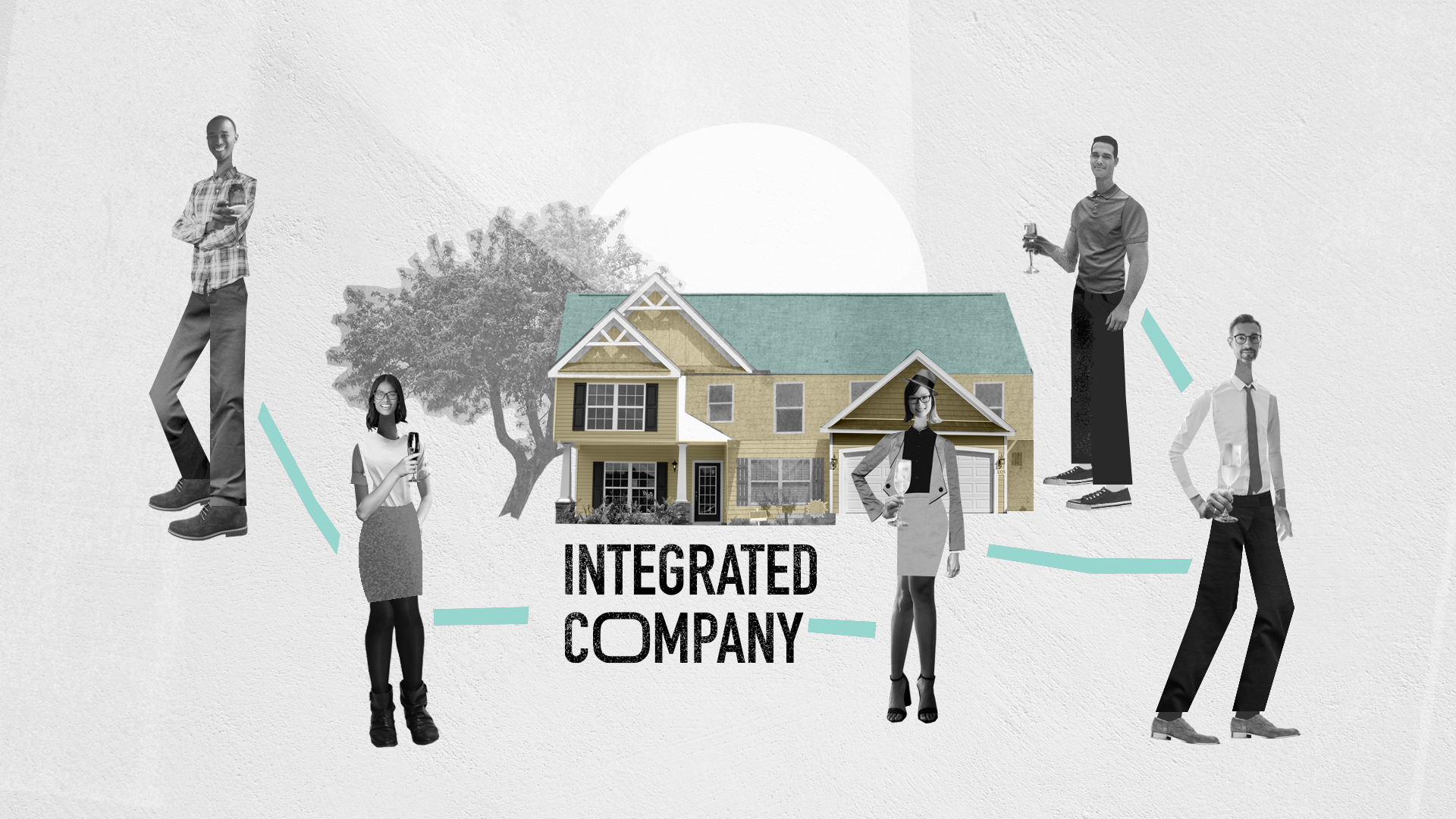
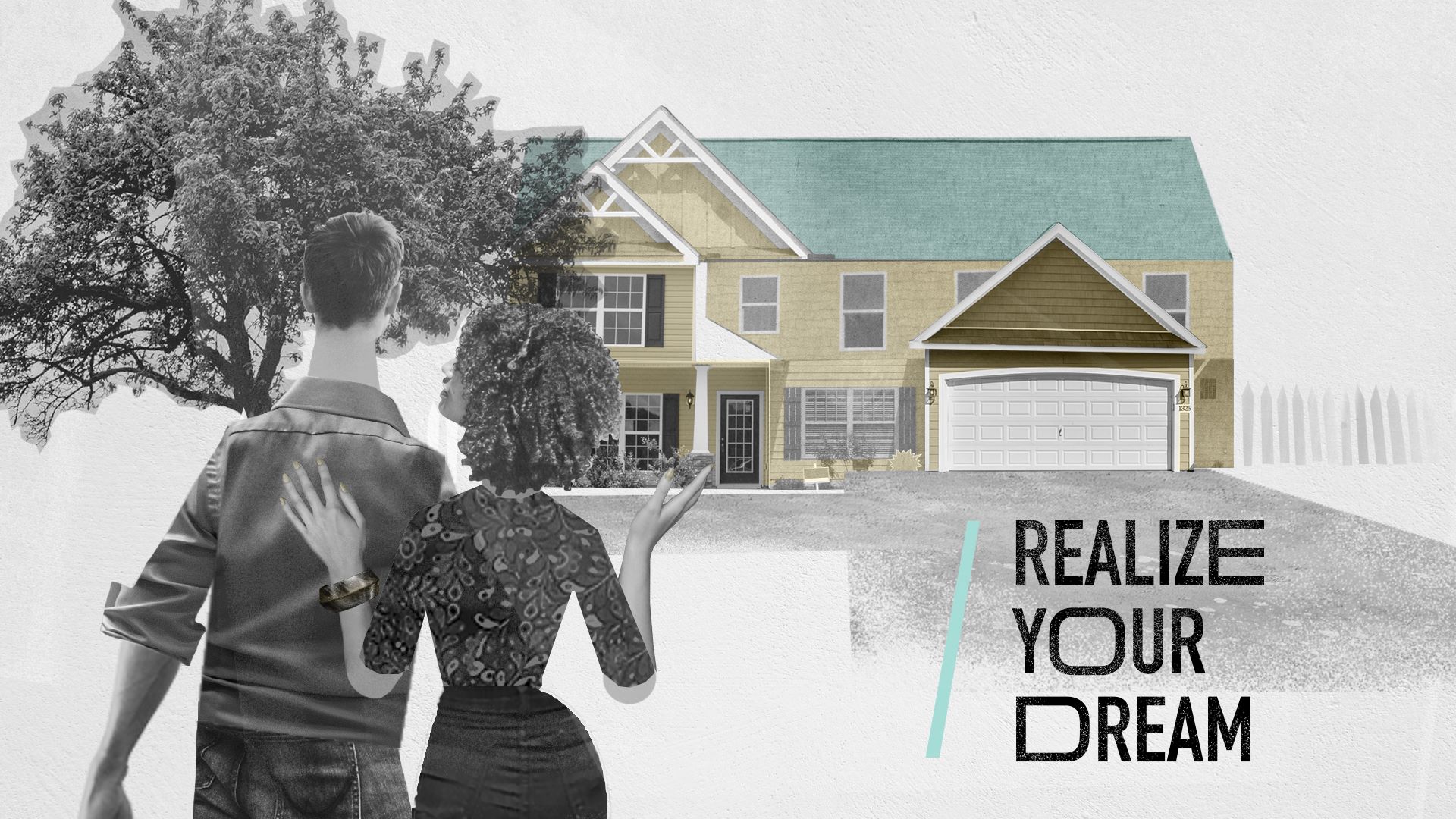
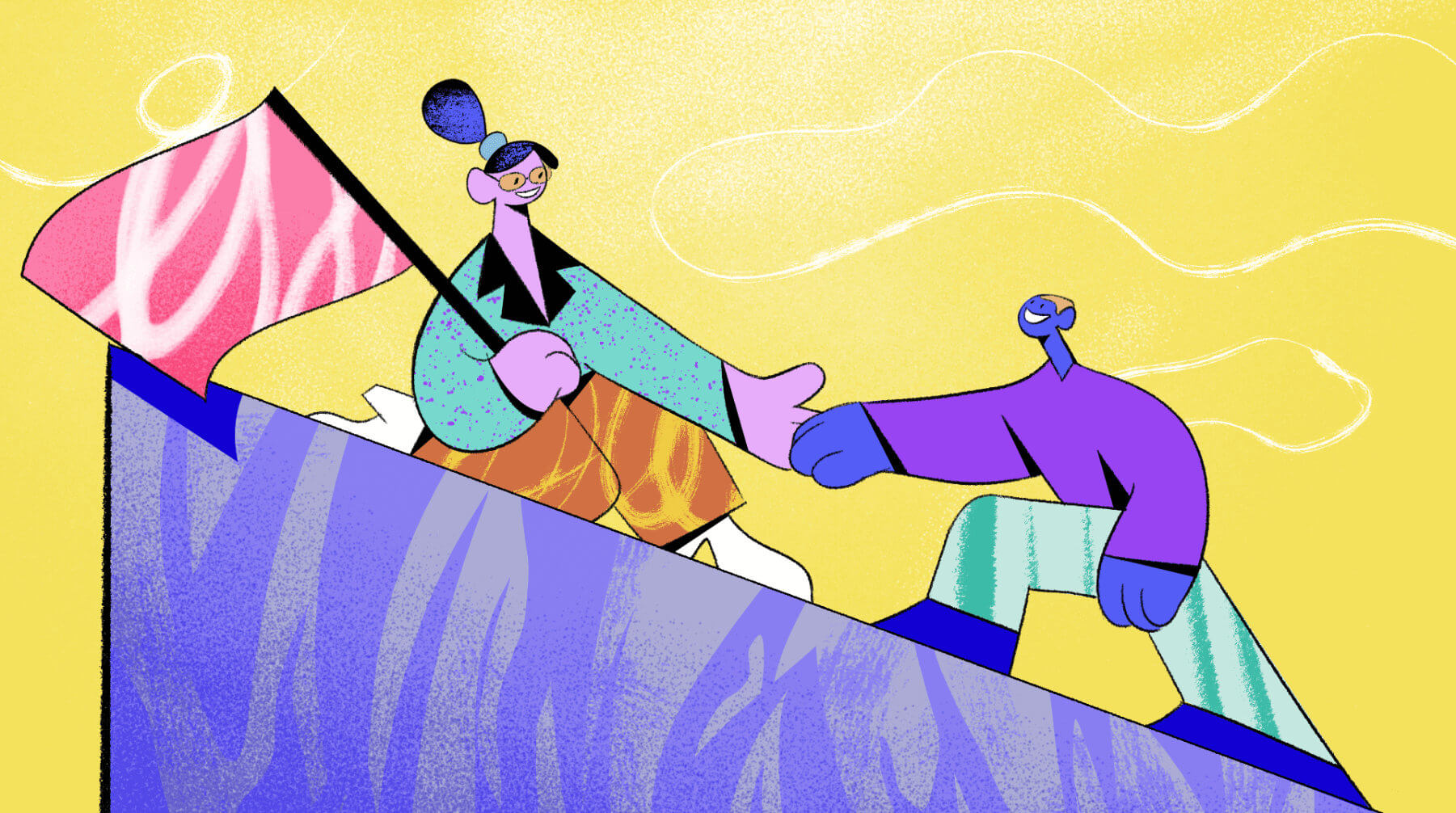
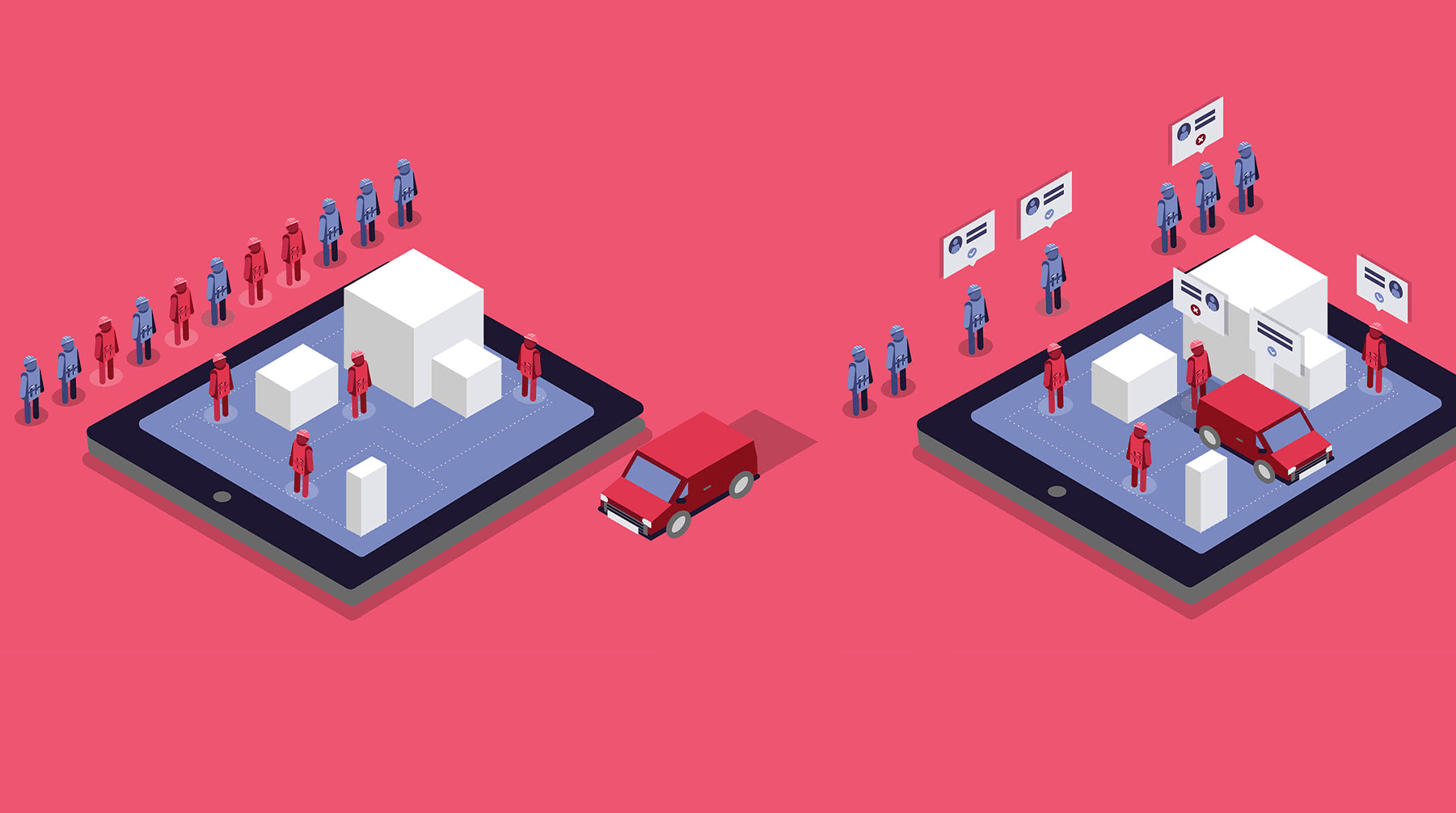
Long & Foster’s "First Home" is a sentimental motion graphics video that captures the significance of buying a house. Using engaging visuals and upbeat music, we bring the story to life, making every frame feel personal.
Smooth transitions between scenes deliver a message of trust to the viewer. Animation is an effective medium for explaining major life events without being overwhelming. Designing relatable characters and images that transform a significant milestone into an enjoyable, human journey was key to creating this piece.
What Are Motion Graphics?
Motion graphics combine design logic with animated energy to bring messages to life. This video production technique brings static images and typography to life using animated text and logo elements to tell a clear story.
Unlike live action, these videos are built entirely from scratch. Using software to animate visuals turns abstract ideas into a versatile creative tool for social media content and brands looking to stand out.
Why Use Motion Graphics?
Motion graphics are worth using because the human eye naturally follows movement across a screen. This format helps you eliminate distractions, transforming complex ideas into simple stories that any viewer can easily understand.
- Better Engagement: A great motion graphic video keeps people watching longer than static ads by using engaging visuals and fun music.
- Clear Communication: Animation and motion help explain how a product works by simplifying ideas into a visual form.
- Cost Efficiency: Creating animated videos is often more flexible than a live-action shoot because you do not need a physical set.
- Stronger Brand Identity: Using a consistent style in your motion design helps a viewer recognize your brand across different marketing channels.
- Higher Conversions: Motion graphics deliver key messages effectively, which leads to better results for your digital marketing campaigns.
What Are the Types of Motion Graphics?
Motion graphics encompass several distinct styles, ranging from 2D animation to 3D designs. These categories allow a brand to select the most effective visual format for its specific marketing goals.
| Type | Key Characteristics | Best For |
|---|---|---|
| 2D Animation | Flat, vector-based, or hand-drawn textures. Modern 2D focuses on "intentional" imperfections and high fluidity. | Social media content, agile marketing campaigns, and narrative brand storytelling. |
| 3D Animation | Real-world physics, lighting, depth, and complex textures. | Product reveals, high-end cinematic ads, and medical or industrial visualizations. |
| Kinetic Typography | Moving text that acts as a pacing mechanism. Focuses on sequential reveals and morphing letterforms. | Lyric videos, "sound-off" social ads, and guiding users through complex data. |
| Animated Infographics | Visualizes data through modular, readable charts. Uses micro-animations to guide the eye to key insights. | LinkedIn carousels, data-heavy presentations, and step-by-step process guides. |
| Logo Animation | Dynamic, adaptive marks that react to user interaction. Often features liquid chrome or iridescent shaders. | App loading screens, digital brand identity, and high-recall marketing assets. |
| Explainer Video | Problem-solution narrative structure. Combines simple iconography with clear scripting. | SaaS onboarding, customer education, and pitching complex business models. |
| UI/UX Animation | Functional micro-interactions like button bounces or menu transitions. | Mobile apps, e-commerce interactions, and immersive web experiences. |
| Broadcast Graphics | High-energy visuals. Integrates live data and AR overlays for real-time viewing. | Live sports, news television, and large-scale virtual events/stadiums. |
| Mixed Media | A "collage" aesthetic blending live-action with grit, grain, paper textures, and jump cuts. | Editorial content, artistic promos, documentaries. |
Where Motion Graphics Are Used?
Motion graphics are versatile visual tools utilized across a wide variety of marketing channels, digital platforms, and traditional broadcasting formats. On website landing pages, these visuals are ideal for capturing attention and lowering bounce rates, while on social media, dynamic movement is crucial for stopping users mid-scroll. Beyond digital marketing, they function seamlessly as on-screen graphics for TV and live broadcasts. Examples include lower thirds and news tickers that present important information clearly, helping viewers easily follow the narrative on any screen.
For modern brands, motion graphics have become an essential component of their digital ecosystem, driving creative productivity and enhancing overall campaign performance. By animating text and logos for intros, outros, and promotional materials, companies can build instant recognition and transform a simple logo into an active, engaging part of the brand's story. These cohesive visual elements work together across multiple platforms to maintain a consistent tone, allowing teams to deliver more content without sacrificing quality. As the demand for video marketing continues to grow significantly, brands increasingly recognize that motion is a proven strategy for showcasing their value, standing out in a competitive digital landscape, and effectively converting casual viewers into loyal customers.
How to Create Effective Motion Graphics?
Effective motion graphics combine a clear story with high-quality visuals to capture the viewer's attention. This approach works best when the animation aligns directly with your specific marketing goals. The following tips help you create content that actually sticks:
- Prioritize the Script: A motion graphics project starts with a script that translates ideas into a simple narrative.
- Control the Motion: Smooth and dynamic transitions ensure the video maintains a professional rhythm.
- Optimize Typography: Typography and fonts remain legible across every screen to effectively deliver the message.
- Integrate Sound Design: Music and sound effects make the animation feel immersive and polished.
- Enforce Brand Standards: Each motion graphics utilizes specific colors to build brand trust.
- Partner with Experts: Working with a studio like Pigeon Studio helps you create high-end animations that get results.
Why Pigeon Studio Is the Right Partner for Your Motion Graphics?
Pigeon Studio transforms complex ideas into a motion graphics video that delivers measurable results for your brand. We work as engaged partners to ensure every animation aligns with your specific marketing goals. Our team speaks human language to keep the creative process transparent and efficient.
We have completed hundreds of successful projects for global brands that require high-impact visuals. Our studio manages the entire production from the first script to the final screen-ready motion graphics. Choosing our experienced professionals guarantees a polished result that captures the viewer’s attention and drives conversions.
Client Relations Specialist in Pigeon Studio - animation production company

Enter your email address: